Six builds, each with a scene that runs the idea in text, and photos where there are some. The scenes are illustrations
written for this page, not the project code; the numbers in the write-ups are the real
results.
Space-time merge planner
What
Real-time gap-based merge planning for autonomous highway driving
Where
IVALab, Georgia Tech, with Prof. Patricio Vela
When
Jun 2026 – present
Stack
Python, MATLAB, HighwayEnv, ProcessPoolExecutor
Ported an offline MATLAB gap-based planner to a real-time, closed-loop Python
controller for HighwayEnv. It plans over a 12 s space-time window in
under 4 ms per decision, about 7× faster than an MPC baseline.
Added a CBF-QP safety filter that keeps lane-change trajectories physically
feasible, so the car can merge continuously instead of stopping to wait.
Prototyped acceleration-aware prediction of surrounding vehicles: crash rate −22%,
prediction error −55% to −74%, and 8% more merges per episode across 500 paired episodes
(p < 0.0001).
Built a seeded harness that benchmarks 8 planners on crash, merge, and runtime metrics, and
parallelized it across 8 workers: 5 min down to 45 s.
Wrote a shared JSON scenario format so the MATLAB and Python planners run identical cases,
which exposed and fixed a port bug that dropped valid merge options below the n+1 bound.
Fig. 2 Space-time view. Bands are cars in the target lane, the fan is every candidate
trajectory. Safe ones survive, the most comfortable is chosen, then it replans.
Built an AR game with hand tracking, surface placement, and real-time physics
gameplay for Snap Spectacles.
Learned Lens Studio, a spatial-computing SDK, inside the hackathon window, and
shipped features on its physics, rendering, SpectaclesInteractionKit, and SpectaclesUIKit APIs.
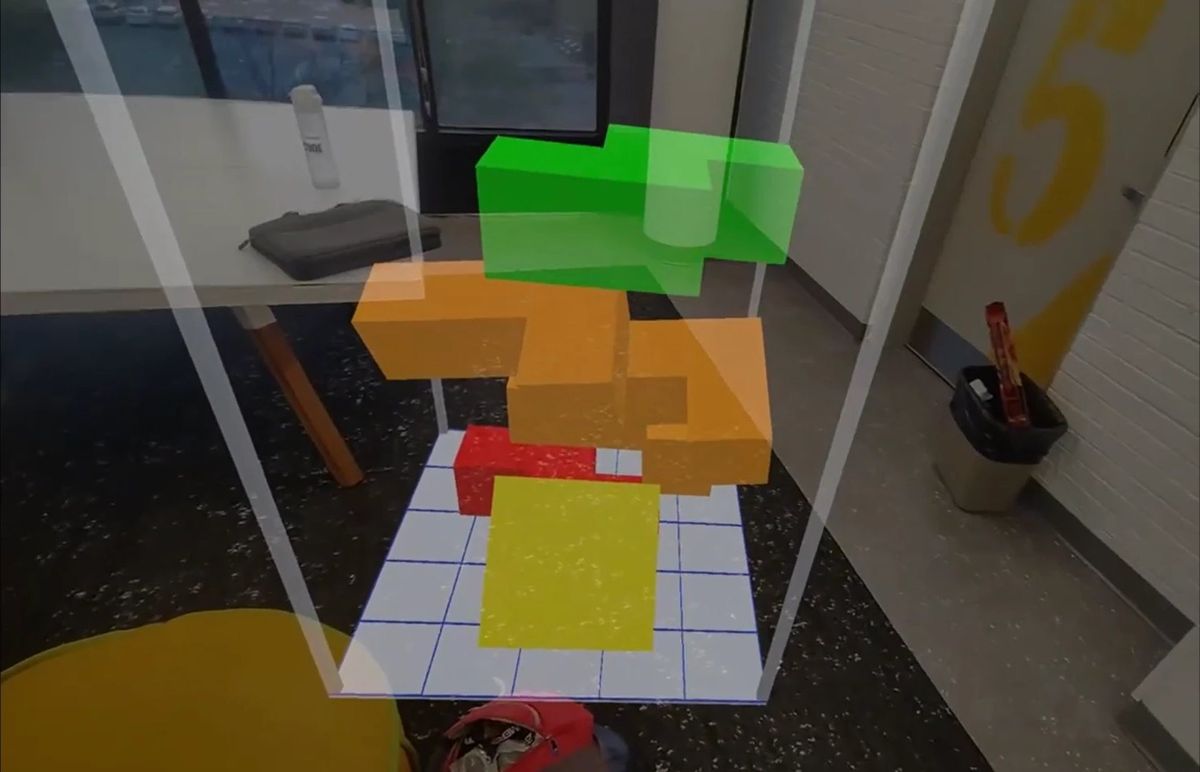
Scripted 7 colored tetromino objects with compound colliders on a procedurally
generated 5×5 AR playfield.
In-headset view: tetrominoes falling onto the generated 5×5 playfield.
Fig. 3 Seven tetrominoes on a 5×5 playfield. Each piece type gets its own glyph density
in place of a color. Drag to turn the board.
CV-controlled robotic gripper
What
A gripper that copies your hand, from a camera
When
Feb – Apr 2026
Stack
C++, Python, Arduino Nano, MediaPipe, CAD
Integrated MediaPipe hand tracking, Arduino servo control, and a custom
mechanical assembly into one computer-vision-controlled gripper.
Processed a continuous ~30 FPS stream of hand landmarks to estimate finger
angles and turn gestures into low-latency actuator commands for real-time
control.
Modified and fabricated silicone-joint gripper parts from existing CAD designs,
iterating on flexibility and tolerances until it grasped reliably.
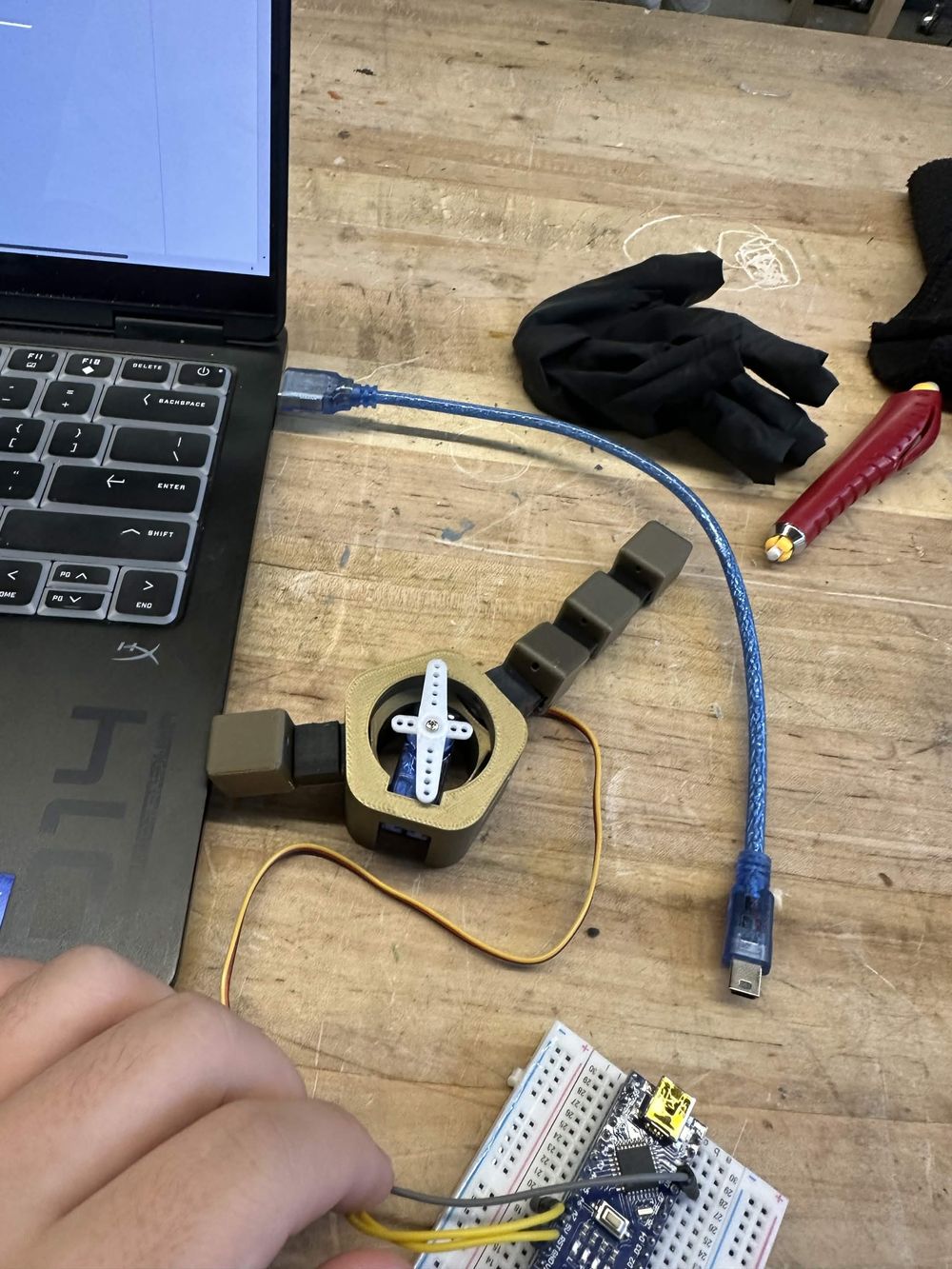
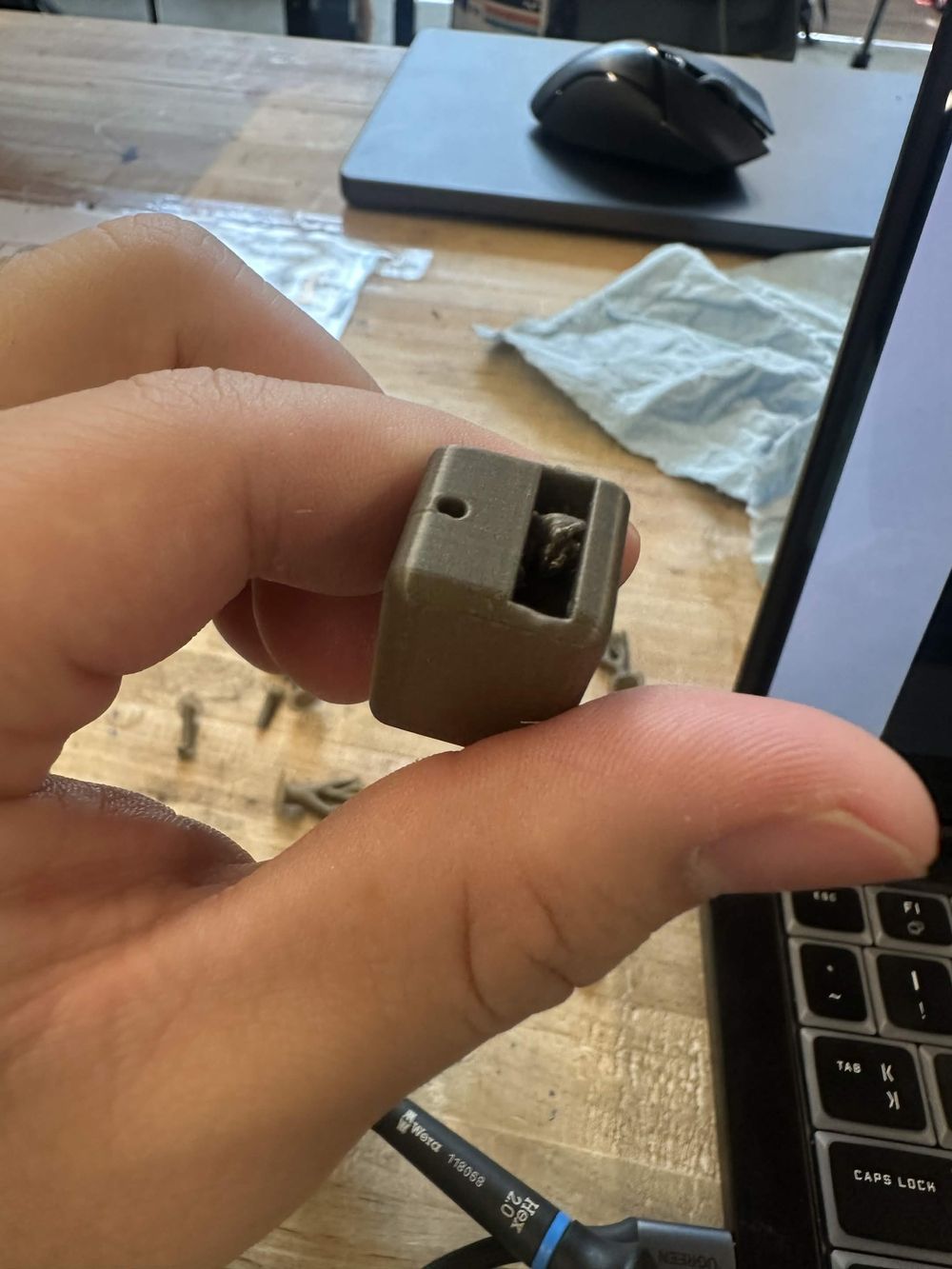
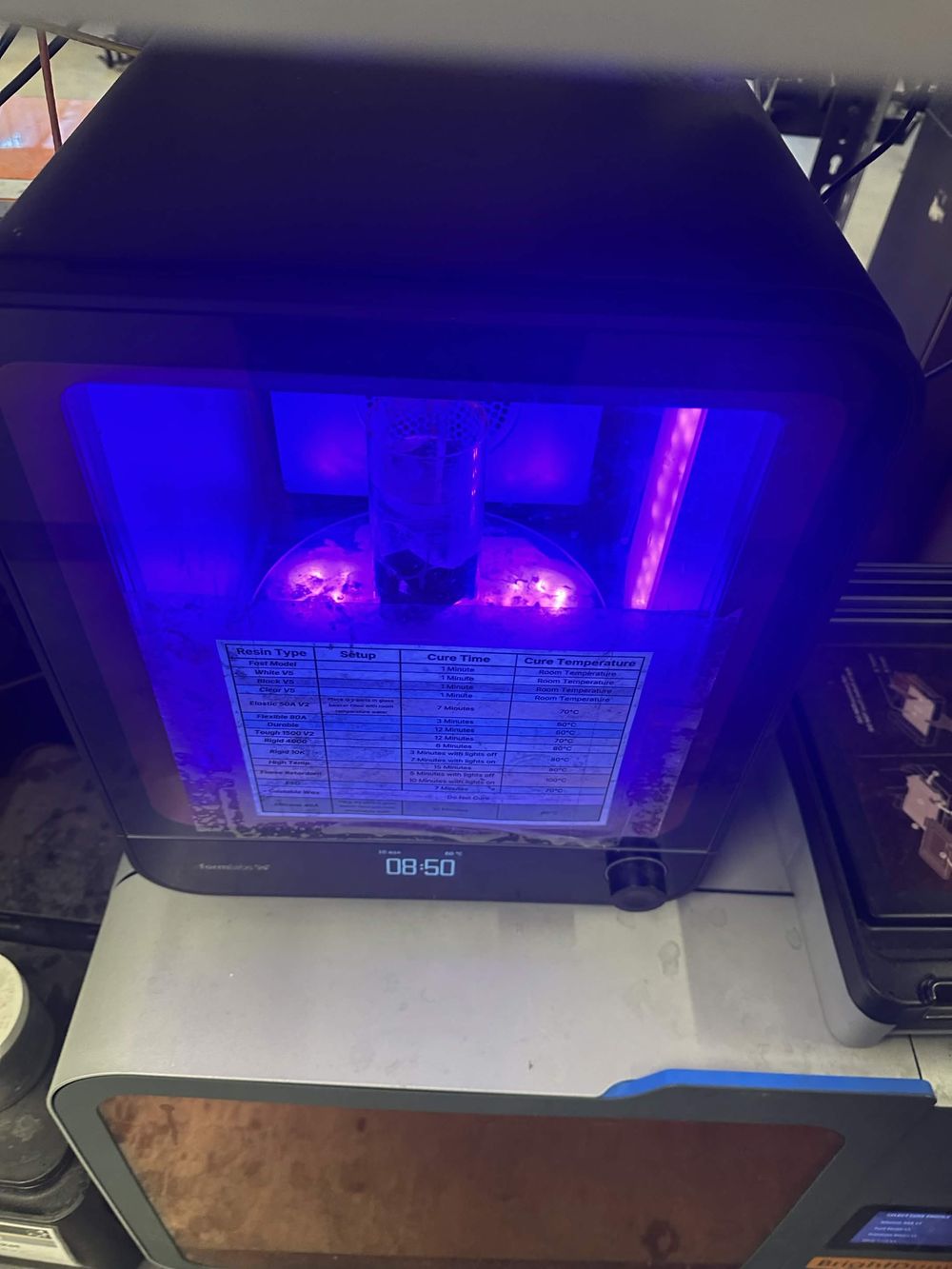
Finger and servo housing, wired to the Nano.Checking a printed segment's tolerances.Curing the resin joints at the Invention Studio.
Fig. 4 Landmarks in, servo angle out. The curl-to-angle mapping here is illustrative.
Point or tap lower in the scene to close the hand, higher to open it.
Movies Store
What
A Django movie storefront: browse, cart, checkout, reviews
Built and deployed a Django storefront, live on PythonAnywhere, with catalog
search, a session-based cart, checkout, and per-user order history.
Designed review reporting: a Report model with a one-report-per-user-per-review
database constraint, and one REPORT_THRESHOLD constant that hides a review after 3 distinct
reports.
Added a Django admin moderation console with live report counts, reports shown
inline on each review, and bulk hide/unhide to override the automatic call.
Moved the secret key, debug flag, allowed hosts, and MySQL credentials into
environment variables, so one codebase runs locally and in production.
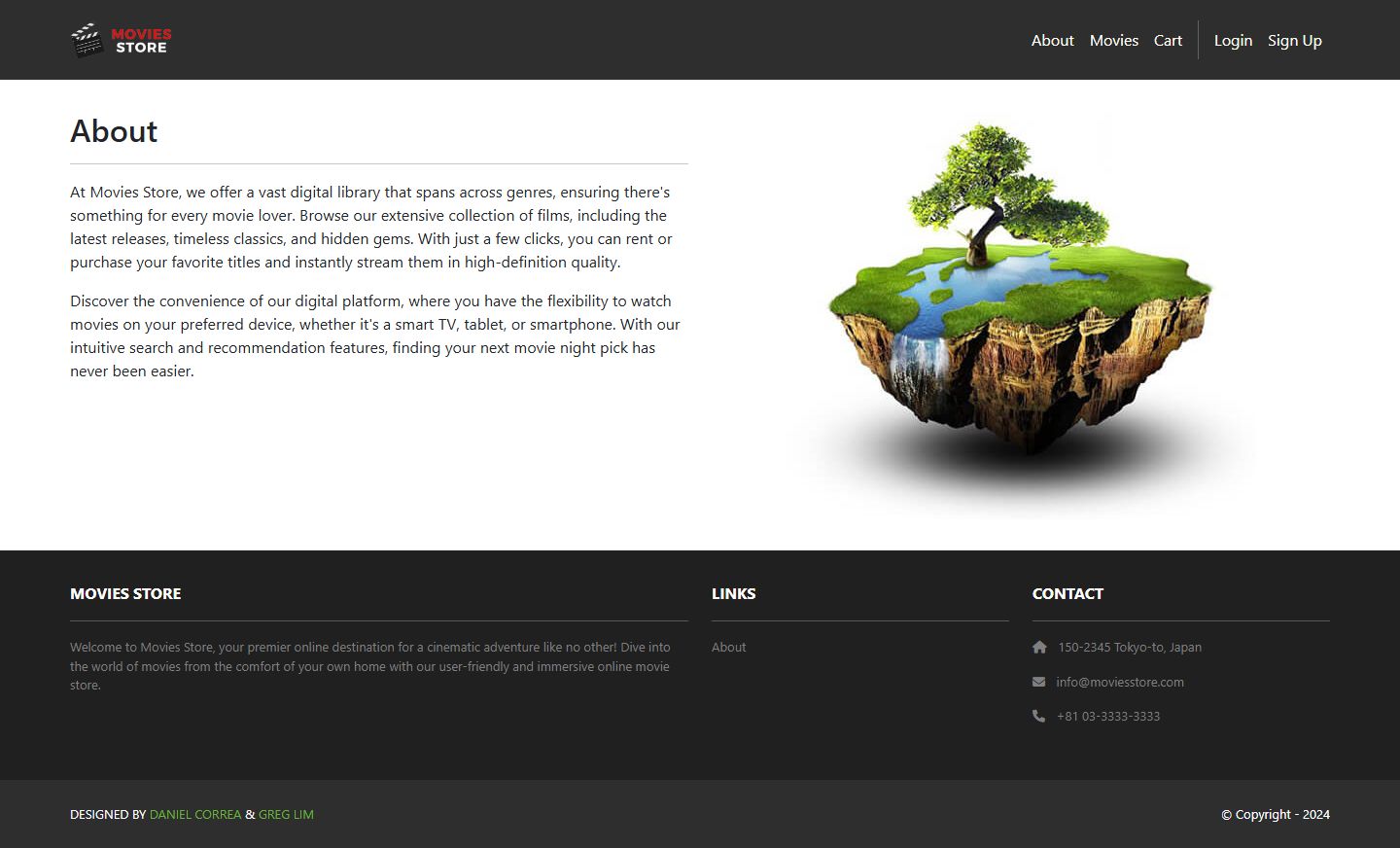
About page, rendered from the shared base template.
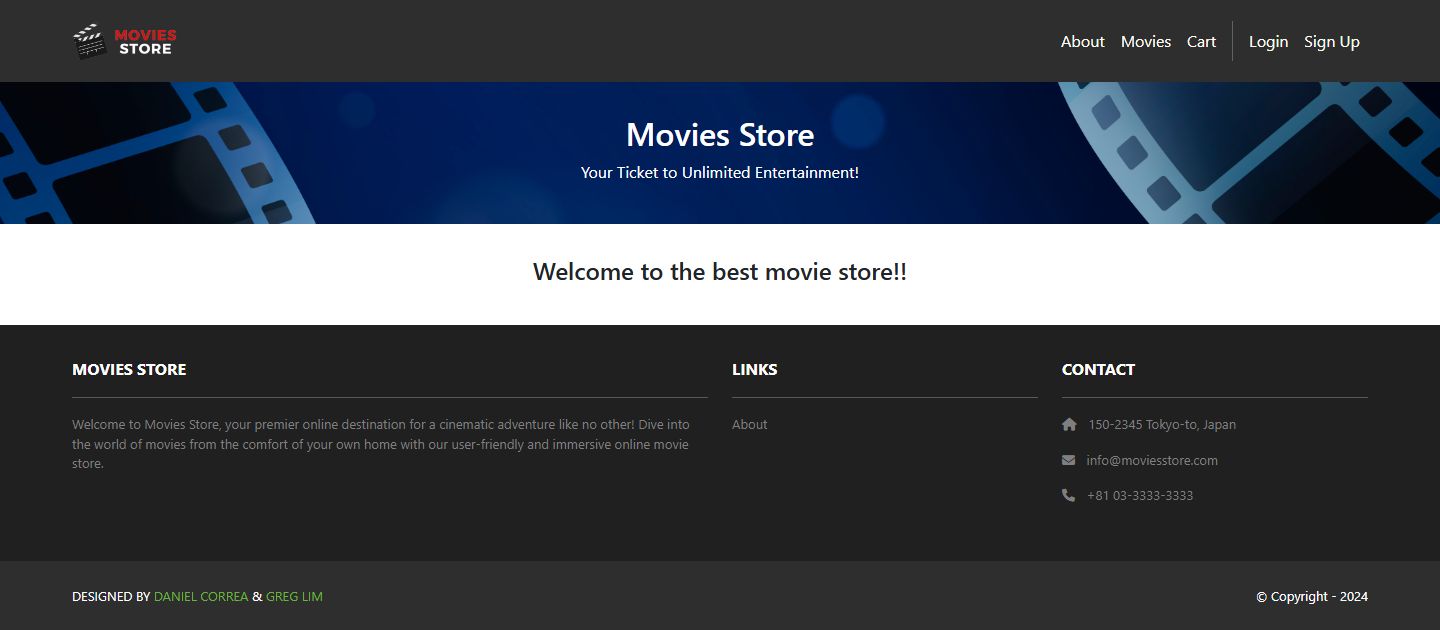
Fig. 5 The live home page. Select it to open the live site.
C.H.E.S.S. (Chess However Everything is Super Strange)
What
Chess However Everything is Super Strange: a Unity strategy game
When
Aug 2025 – May 2026
Stack
C#, Unity, Git
Developed a chess strategy game with custom piece behaviors and map layouts,
built in a team Git workflow.
Built Unity Editor tooling on ScriptableObjects and a custom asset pipeline so the team could
define 60+ pieces as data and drive a dynamic GUI without code
changes.
Engineered a right-click stats panel, about 350 lines of C#, that shows each
custom piece's Power, Mobility, and Utility mid-game.
PieceDefinition  (ScriptableObject, illustrative shape)
  movement : rules for where it may go
  attack   : pattern it captures with
  stats    : Power · Mobility · Utility
-> right-click a piece in game to read its stats
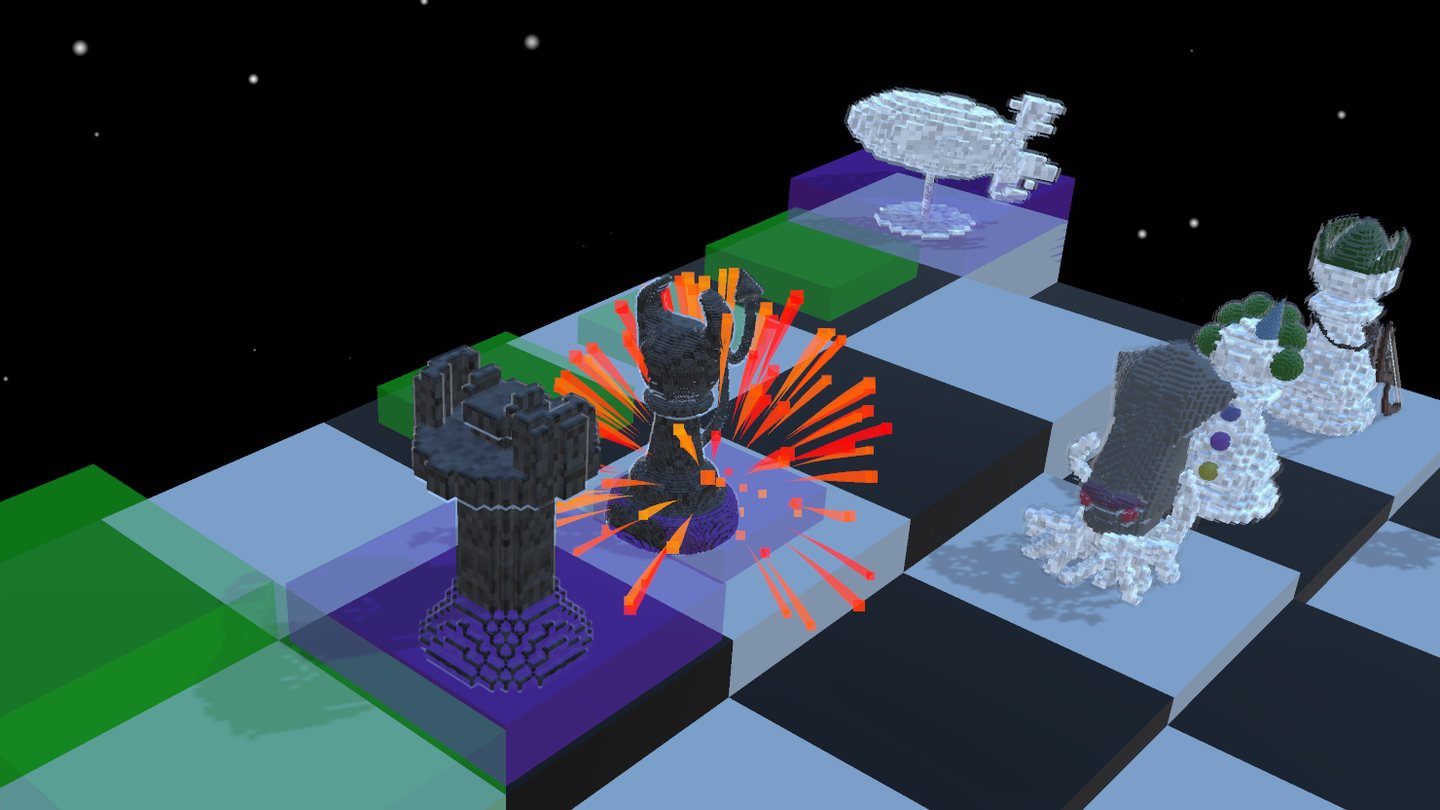
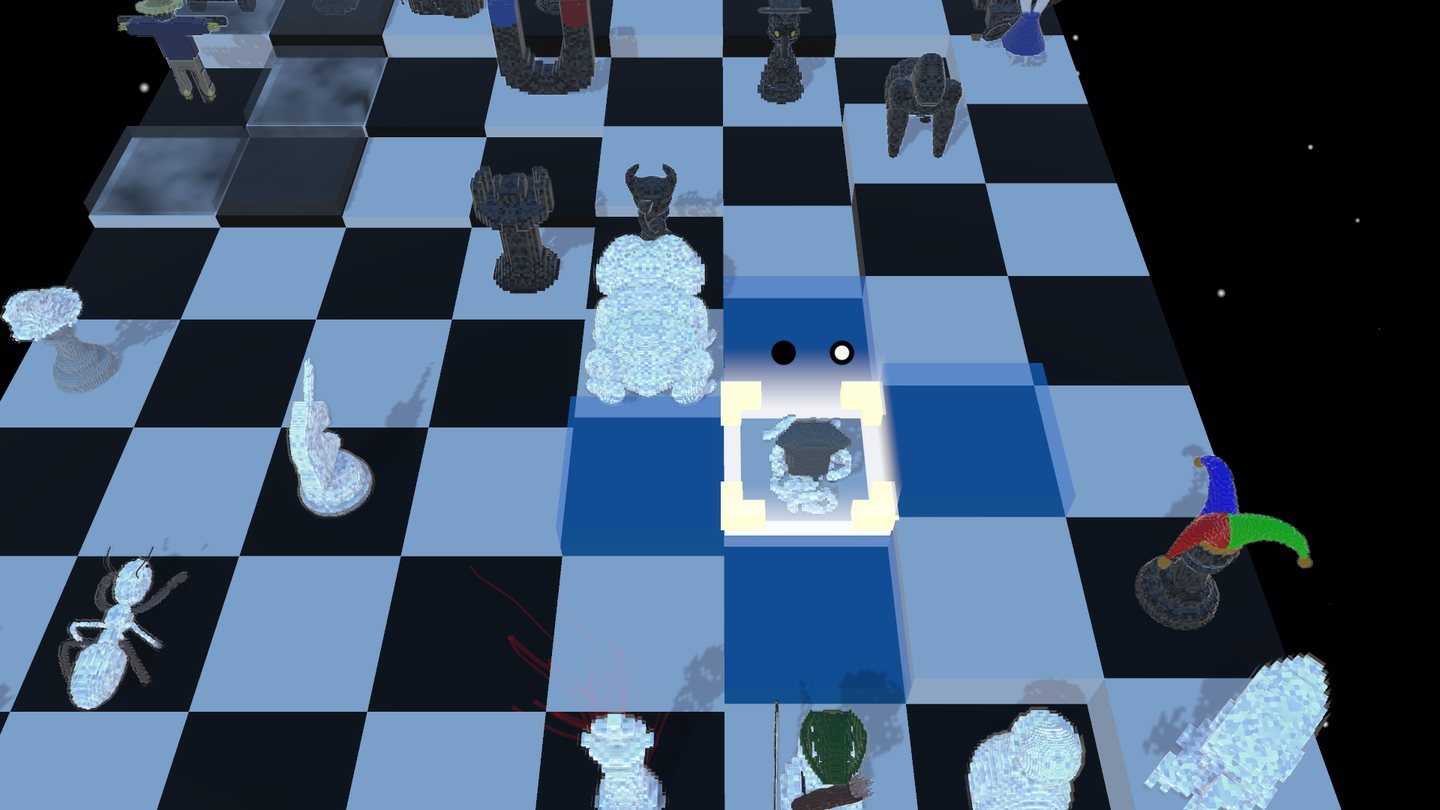
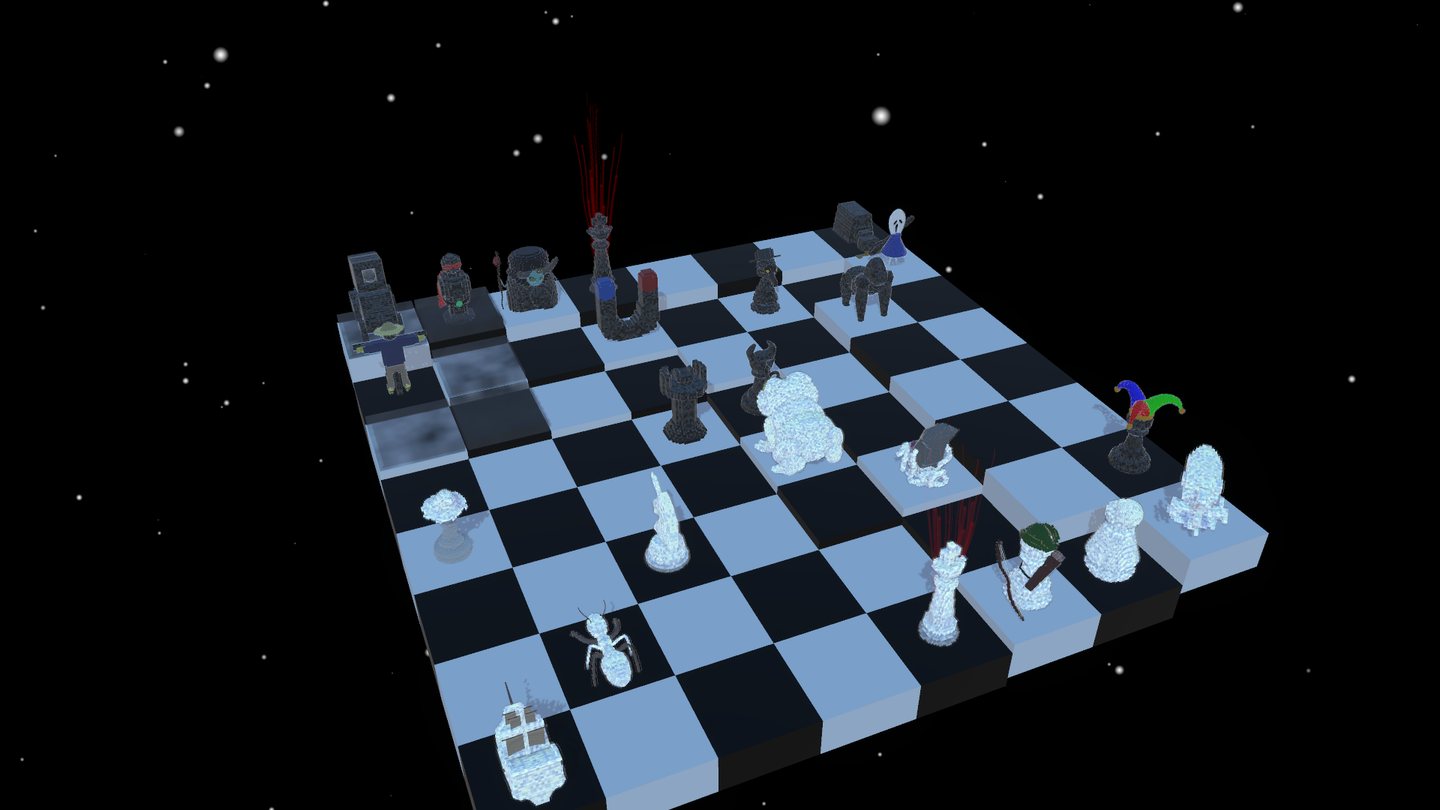
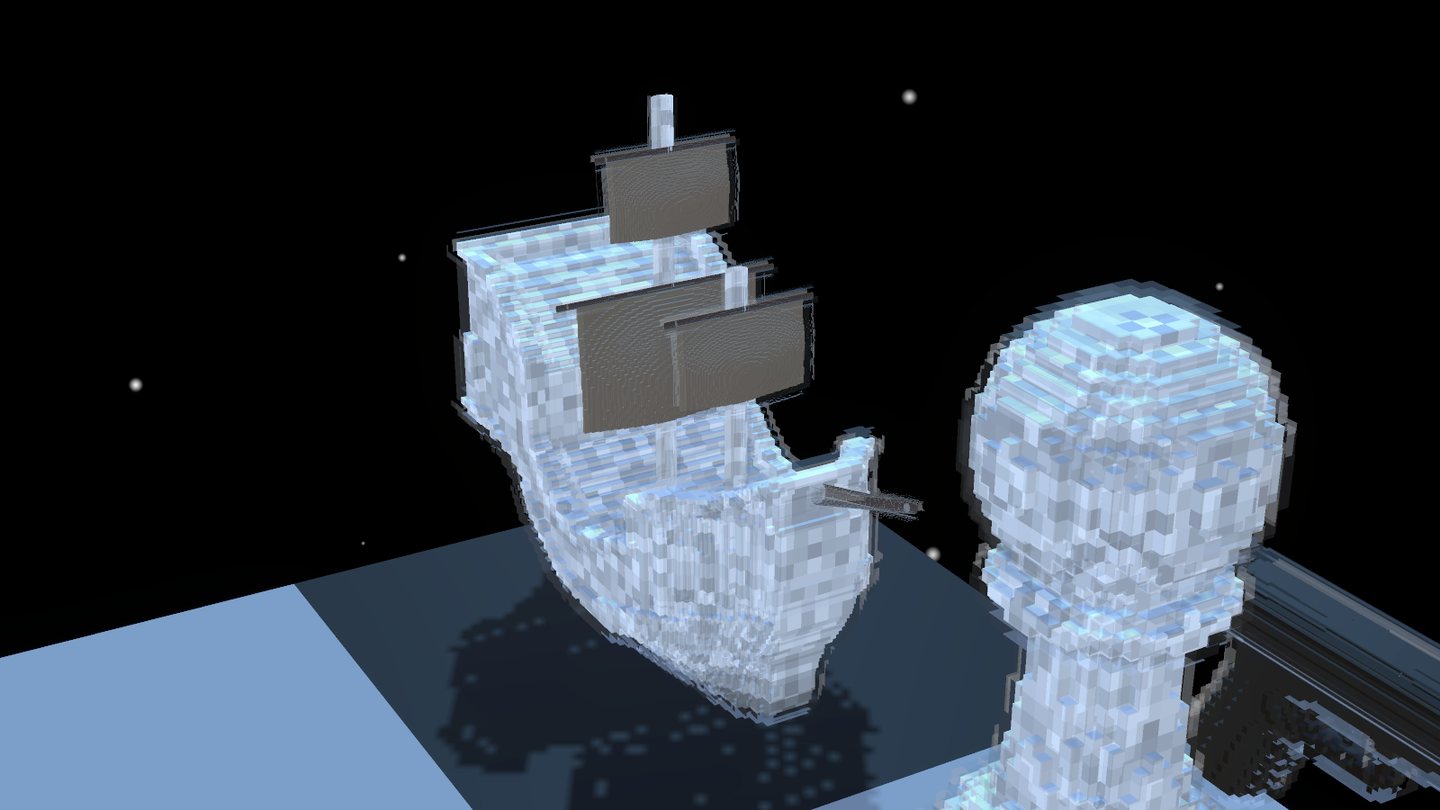
The Unicorn lights its moves, then takes the Amazon.The Demon taking the Cardinal mid-game.Clicking a selected piece again cycles its abilities: the Kraken's second set, in blue.A mid-game between two teams of special pieces.The Pirate Ship, one of the custom pieces.
Fig. 6 A piece defined only by its data. S lights its legal squares, then jumps.
Tap or click a lit square to move it yourself.
ML classification workflow
What
Flagging at-risk students from behavioral and demographic data
When
Nov 2025 – Jan 2026
Stack
Python, scikit-learn, pandas, NumPy, joblib
Built a scikit-learn Pipeline over ~500 student records: median imputation,
scaling, and one-hot encoding chained so cross-validation can't leak data.
Compared Logistic Regression, Random Forest, and Gradient Boosting with
stratified 5-fold cross-validation.
Only ~20% of students were at-risk, so the first models passed 90% accuracy by
never flagging anyone. Class-weighted training and a decision threshold lowered from
0.5 to ~0.35 fixed it: ~70% accuracy with much better recall on at-risk
students.
Serialized the final pipeline with joblib and documented why its threshold differs from the
default.
Fig. 7 Random forest regression on synthetic data. Each faint step is one tree fit on a
bootstrap sample; the bright line is their average, P(at-risk) by attendance. Lowering the threshold
widens what gets flagged.